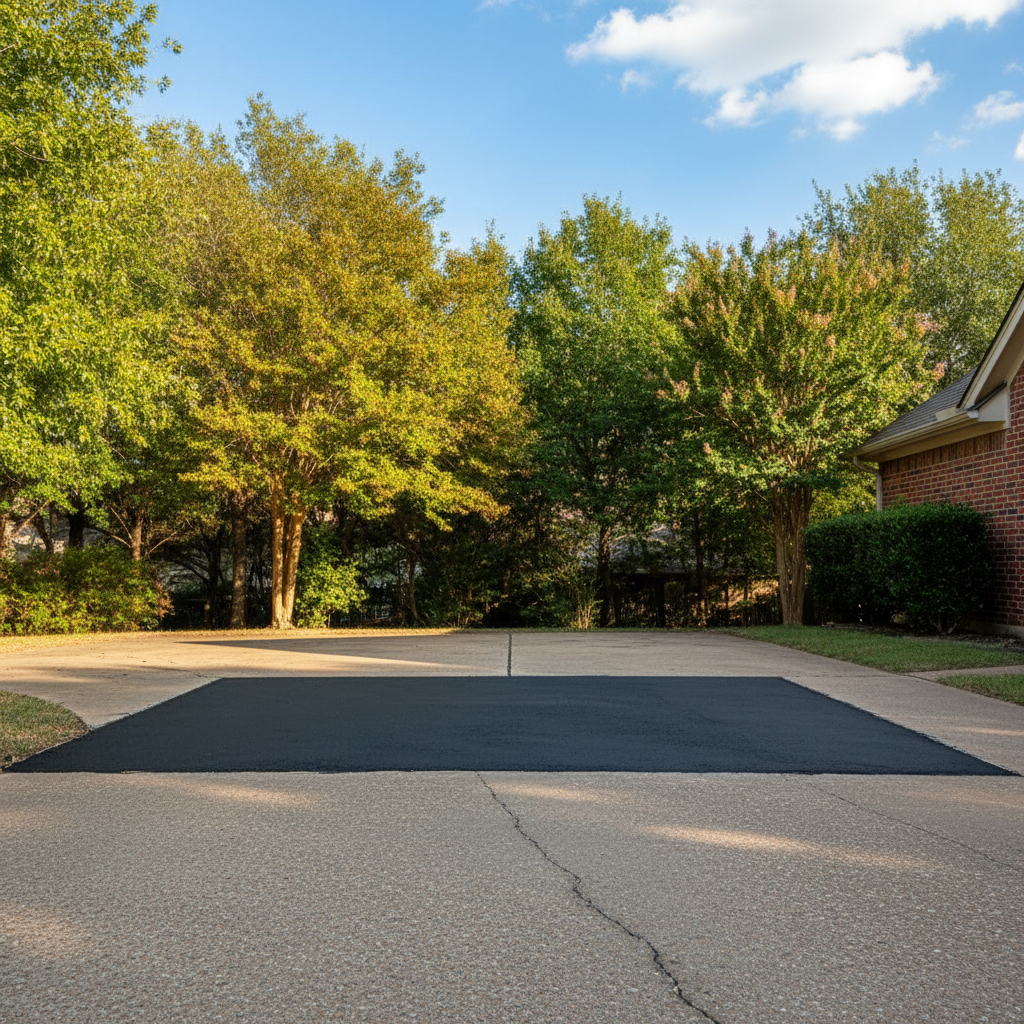
You just invested in getting your asphalt repaired, whether it was a small pothole or a bigger patch job. That's smart. But here's the thing: a repair isn't a 'set it and forget it' deal, especially not here in Irving. Our Texas weather, with its scorching summers and occasional freezes, can really put asphalt through its paces. So, how do you make sure that repair holds up and gives you your money's worth?
Extend the Life of Your Asphalt Repair
Once we've done the work, you've got a fresh, solid surface. To keep it that way, you'll want to be mindful of a few things. First off, give it time to cure properly. We'll always tell you the exact timeframe, but generally, avoid heavy traffic or parking large, heavy vehicles on it for at least 24-48 hours, sometimes longer depending on the repair type and weather. That fresh asphalt needs to bond and harden completely.
Another big one is drainage. Water is asphalt's worst enemy. If you've got areas where water consistently pools on or near the repair, that's a problem. It'll seep into cracks, expand when it freezes (even if it's just for a few nights in January), and soften the sub-base. Make sure gutters are clear and downspouts direct water away from your pavement. If you notice a repair area consistently holding water, that's something to address sooner rather than later.
Finally, keep it clean. Debris, dirt, and organic matter can trap moisture and accelerate deterioration. A simple sweep or leaf blower regularly can make a big difference.
Regular Maintenance: What You Need to Do
Think of your asphalt like your car – it needs routine check-ups. You don't wait for the engine to seize up before an oil change, right? Same idea here. For asphalt, regular maintenance means a few key things:
- Keep it clean: Like I said, sweep away dirt, leaves, and any chemical spills. Oil and gas leaks from vehicles can dissolve the asphalt binder, so clean those up immediately.
- Watch for weeds: Weeds and grass love to grow through cracks. They might look harmless, but their roots can widen small fissures and accelerate damage. Pull them out or use a weed killer.
- Inspect regularly: Walk your driveway or parking lot at least once a month. Look for new cracks, soft spots, or areas where the repair might be showing signs of wear. After a heavy rain or a freeze, it's a good time to check.
- Sealcoating (when appropriate): If your entire asphalt surface is due for sealcoating, that'll protect the repair along with the rest of your pavement. It's like sunscreen for your asphalt, blocking UV rays and providing a barrier against water and chemicals. Just make sure the repair is fully cured before applying any sealcoat.
Warning Signs of Trouble
You're looking for anything that tells you the repair isn't holding up or that new problems are developing. Here are the red flags:
- New cracks forming: Especially if they're around the edges of the repair or spider-webbing across it.
- Soft spots or depressions: If you walk on it and it feels spongy, or you see a new dip where water collects, that's a sign of sub-base failure.
- Potholes reappearing: If a pothole we fixed comes back, it could indicate a deeper issue with drainage or the underlying material.
- Raveling or loose aggregate: This is when the small stones in the asphalt start to come loose, making the surface look rough and crumbly.
- Fading or discolored areas: While sealcoat helps, excessive fading can mean the binder is breaking down.
- Water pooling: Any new areas where water consistently sits after a rain.
Remember how I mentioned our unique Irving soil? We're often dealing with expansive clay soils around here. These soils swell when wet and shrink when dry, which can put a lot of stress on any pavement, including repairs. If you're seeing issues that seem to pop up after heavy rains followed by dry spells, the soil might be contributing to the problem.
When to Call a Professional
Look, you can handle the basic cleaning and observation. But when you start seeing those warning signs, especially new cracks or soft spots, that's when you pick up the phone. Don't wait until a small crack turns into a huge pothole. It's always cheaper to address a minor issue than to let it become a major reconstruction project.
You should definitely call us at Alpha Asphalt if:
- You see significant new cracking or alligator cracking.
- There are new potholes or existing repairs are failing.
- Water is consistently pooling in an area that wasn't a problem before.
- You notice soft spots or areas where the asphalt is crumbling.
- You're unsure about the cause of a problem or how to fix it.
We're here to help you protect your investment. A quick inspection from us can save you a lot of headache and money down the road. We can tell you if it's something simple or if it needs a more involved solution. Don't let a small issue become a big one – we're just a call away.